
Looking for Osteoporosis Solutions in North Baltimore MD? Here’s What You Need to Know
For those noticing recurring back pain or fragile bones, Dr. Nasser Nasseri, MD offers advanced diagnostic solutions. He focuses on identifying subtle bone thinning early, providing medical interventions that strengthen your skeletal frame and reduce the risk of debilitating, unexpected breaks. For more information, contact us or book an appointment online. We are conveniently located at 3333 N. Calvert St, Suite 540B, Baltimore, MD 21218.
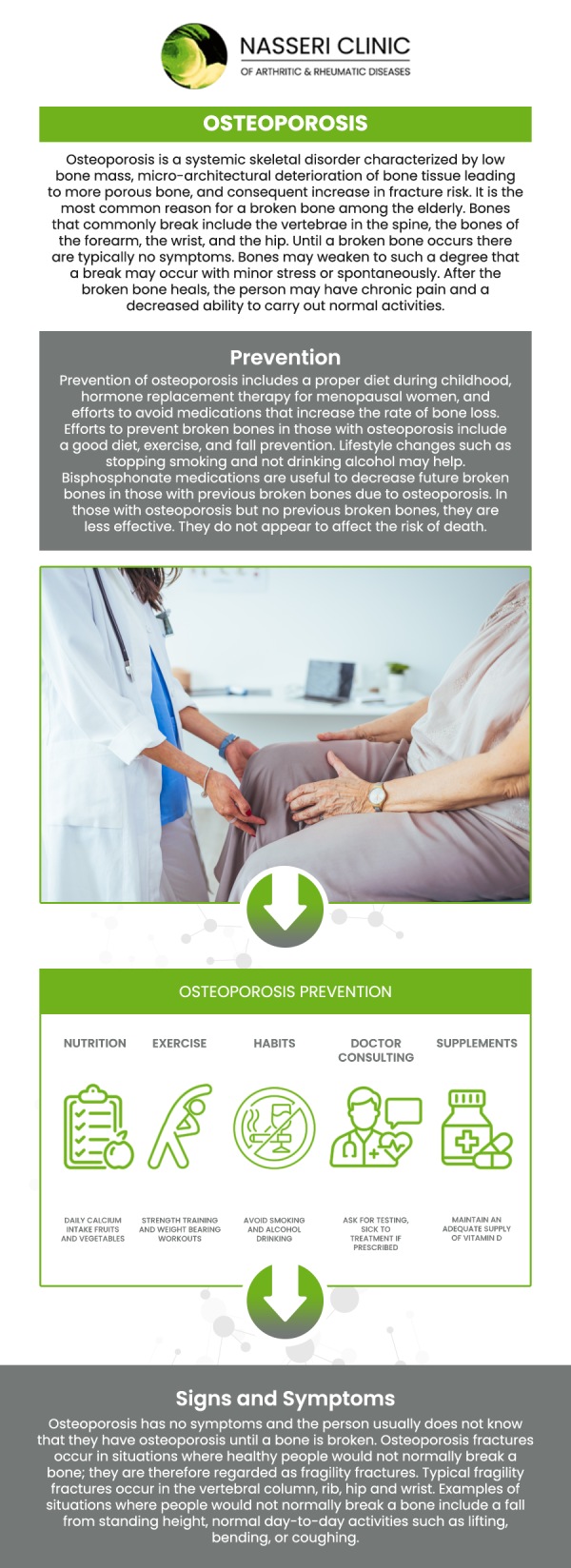
Table of Contents:
What are the 5 signs of osteoporosis?
Which organ is most affected by osteoporosis?
What are the risk factors for developing osteoporosis that you should be aware of?
How can early detection of osteoporosis improve your long-term health?
What osteoporosis care services are offered at Nasseri Clinic in North Baltimore, MD?
A Blueprint for Bone Strength: Dr. Nasser Nasseri’s Advanced Osteoporosis Solutions
At Nasseri Clinic of Arthritic and Rheumatic Diseases, we understand that osteoporosis is often called a “silent disease” because it can progress without obvious symptoms until a fracture occurs. However, several warning signs may indicate the presence of osteoporosis, and our clinic is dedicated to helping patients recognize and manage them.
One common sign is persistent back pain, which may be caused by a fractured or collapsed vertebra. You may also notice a gradual loss of height over time as the bones in the spine weaken and compress. Stooped posture, sometimes referred to as a “dowager’s hump,” can develop as the weakened bones in the upper back begin to curve forward.
Osteoporosis often reveals itself through bone fractures that happen more easily than expected. If you experience a fracture from a minor fall, or even from simple actions like bending over or coughing, it could be a sign of decreased bone strength. Additionally, decreased bone density found on a bone mineral density (BMD) test is a clear diagnostic indicator, even if no outward symptoms are present.
Osteoporosis is characterized by decreased bone mass and deterioration of bone tissue, resulting in increased bone fragility and a higher risk of fractures. The skeletal system, especially the spine (vertebrae), hips, and wrists, is most affected by osteoporosis. These areas are particularly vulnerable because they bear much of the body’s weight and are often involved in falls.
At the Nasseri Clinic, we recognize that osteoporosis and rheumatic diseases frequently coexist, and both can significantly impact joint and bone health. For example, patients with rheumatoid arthritis are at a higher risk for osteoporosis due to chronic inflammation and the use of certain medications like corticosteroids. Vertebral fractures from osteoporosis can lead to loss of height, back pain, and a stooped posture, while hip fractures often result in significant disability and may require surgical intervention—both of which can severely affect a patient’s mobility and quality of life.
Our team emphasizes the importance of early detection, prevention, and management of osteoporosis as part of comprehensive rheumatologic care. We offer bone density testing, personalized treatment plans, and patient education to reduce fracture risk and maintain bone health, especially for those living with arthritis and other rheumatic diseases. Prioritizing bone health is essential for preserving mobility, independence, and overall well-being, particularly as our patients age.
Osteoporosis is a common concern among individuals with rheumatic diseases, as it is marked by weakened bones and a higher risk for fractures.
Who is at Risk? Many factors can increase your risk of developing osteoporosis. Age is a primary factor, as bone density naturally decreases as we get older—especially after the age of 50. Women, particularly those who are postmenopausal, face a higher risk due to decreased estrogen levels. A family history of osteoporosis can also raise your risk, as can having a smaller or thinner body frame.
Lifestyle and Medical Risk Factors: Lifestyle choices such as a diet low in calcium and vitamin D, lack of weight-bearing exercise, smoking, and excessive alcohol intake can contribute to bone loss. Patients with rheumatic diseases, including rheumatoid arthritis—are at a greater risk for osteoporosis, both from the disease itself and from certain medications used in treatment, such as long-term corticosteroids. Other medical conditions—like hyperthyroidism or gastrointestinal disorders that affect nutrient absorption—can also play a role.
Why This Matters for Our Patients: For our patients living with arthritis and other autoimmune or inflammatory conditions, maintaining optimal bone health is especially important. Rheumatoid arthritis and similar diseases can speed up bone loss, making osteoporosis screening and prevention a crucial part of your care at Nasseri Clinic.
What Can You Do? It’s important to be proactive about bone health. Ensure you are getting enough calcium and vitamin D, engage in regular weight-bearing exercise, avoid smoking, and limit alcohol consumption. If you have a rheumatic condition or are taking medications that may affect bone density, talk to your Nasseri Clinic provider. We can recommend screenings, supplements, or treatments tailored to your unique needs.
Identifying osteoporosis in its early stages allows our team to intervene promptly, helping you prevent further bone loss and significantly reduce your risk of fractures. Our rheumatology specialists can provide personalized recommendations, including increasing calcium and vitamin D intake, adopting safe weight-bearing exercises, and making lifestyle changes such as quitting smoking or limiting alcohol consumption.
If medical treatment is necessary, we can initiate therapies before significant bone weakening occurs, giving you the best chance to maintain strong, healthy bones. Early detection also enables us to identify any underlying rheumatic conditions or medications that may contribute to bone loss, ensuring a comprehensive and individualized treatment approach.
At Nasseri Clinic of Arthritic and Rheumatic Diseases in North Baltimore, MD, patients seeking osteoporosis care receive individualized attention from a team specializing in bone, joint, and connective tissue disorders. The clinic provides comprehensive evaluations to assess bone health, utilizing advanced bone mineral density testing and targeted laboratory work to uncover underlying causes of bone loss—especially important for patients with arthritis or rheumatic conditions that may increase osteoporosis risk.
The experienced rheumatologists at Nasseri Clinic create personalized treatment plans, which may include medication management to slow bone loss and reduce fracture risk. In addition, patients receive tailored guidance on calcium and vitamin D supplementation, nutrition, and safe, practical exercise regimens to support bone strength—all designed with the unique needs of those with arthritic or rheumatic diseases in mind.
In the heart of North Baltimore, Dr. Nasser Nasseri and the team at the Nasseri Clinic of Arthritic & Rheumatic Diseases are redefining how patients confront bone density loss. Recognizing that osteoporosis is a complex, progressive condition, Dr. Nasseri provides a multi-dimensional treatment strategy that moves beyond generic advice. As a specialist in rheumatology and bone health, he offers sophisticated diagnostic screenings and risk assessments to identify bone thinning in its earliest, most treatable stages.
Patients at our North Baltimore clinic benefit from a curated selection of “Solutions,” including the latest pharmacological breakthroughs like RANK ligand inhibitors and anabolic agents that actively build new bone. Dr. Nasseri emphasizes a holistic “bone-healthy” lifestyle, integrating nutritional optimization and targeted exercise protocols to prevent debilitating fractures. By choosing the Nasseri Clinic, you aren’t just treating a condition; you are partnering with a specialist dedicated to preserving your skeletal integrity and ensuring you remain active and upright for a lifetime.
The clinic also emphasizes fall risk assessments and offers practical advice for improving home safety, helping patients minimize the risk of fractures. Ongoing monitoring and regular follow-up visits ensure that each patient’s treatment plan is effective, up-to-date, and adjusted as needed to maintain optimal bone health and quality of life. For more information, contact us or book an appointment online. We are conveniently located at 3333 N. Calvert St, Suite 540B, Baltimore, MD 21218. We serve patients from North Baltimore MD, Dundalk MD, Halethrope MD, Ferndale MD, Yorktown MD, and surrounding areas.
Check Out Our 5 Star Reviews


Additional Services You May Need

Additional Services You May Need
▸ Arthritis Care
▸ Infusion Therapy
▸ Lab Services
▸ Radiology
▸ NCARD NRACE
▸ BioFlex Laser Therapy
▸ Ultrasound Guided Injection
▸ Myer’s Cocktail Infusion
▸ Rheumatology
▸ Myositis
▸ Osteoporosis
▸ Saphnelo Infusion
▸ Injection Treatments
▸ Intravenous Immunoglobulin Therapy
▸ Fibromyalgia
▸ Infusion Therapy for Gout
▸ Inflammatory Eye Disease
▸ Inflammatory Skin Disease
▸ Vasculitis
▸ Lupus
▸ Toradol Injections
▸ Platelet-Rich Plasma (PRP)


 Send Text
 How May I Help You?