

What Can I Do to Decrease Hand Arthritis Symptoms?
Dr. Nasser Nasseri MD helps patients manage symptoms like morning stiffness, finger joint nodules, and weakened grip strength. His specialized protocols focus on reducing the swelling and tenderness that make simple tasks like buttoning a shirt or typing painful. For more information, contact us or book an appointment online. We are conveniently located at 3333 N. Calvert St, Suite 540B, Baltimore, MD 21218.
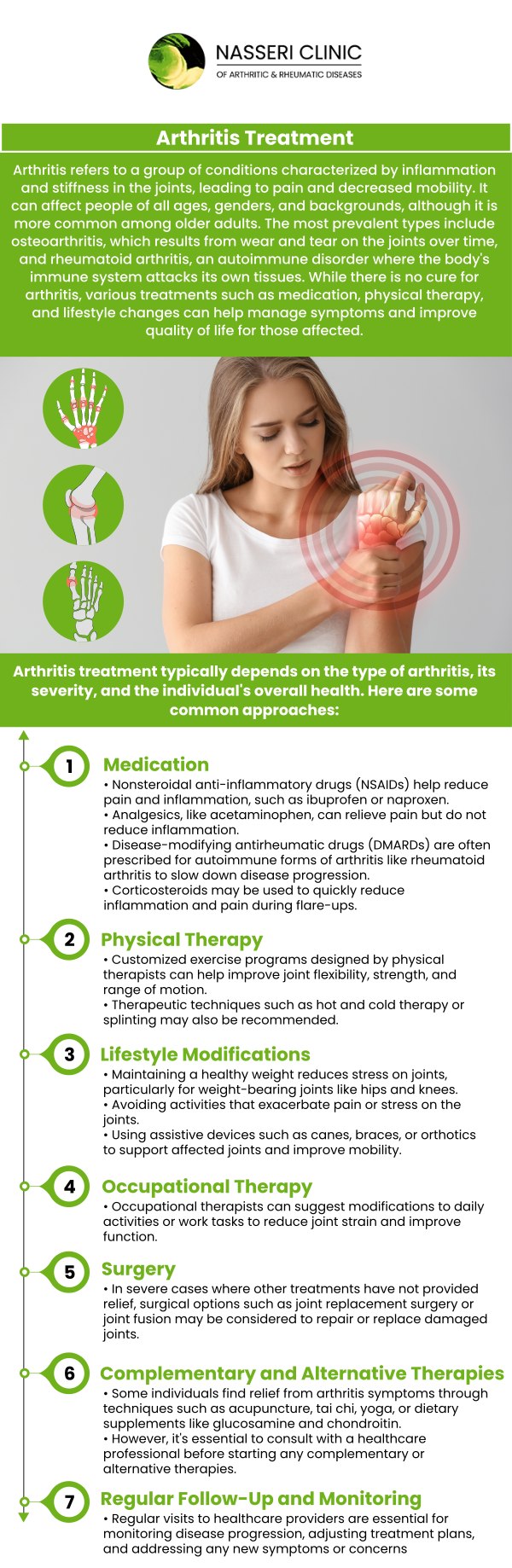
Table of Contents:
How do I relieve arthritis pain in my hand?
What are the first signs of arthritis in the hands?
How can I stop arthritis from getting worse in my hands?
What is early-stage 1 arthritis in the hands?
Restoring Dexterity: Dr. Nasser Nasseri’s Precision Strategies for Hand Arthritis
At the Nasseri Clinic of Arthritic and Rheumatic Diseases, we understand that arthritis pain in your hands can significantly impact your daily life. Our team specializes in diagnosing and managing all forms of hand arthritis, offering a comprehensive approach tailored to your unique needs.
• Self-Care and Lifestyle Strategies
We encourage our patients to incorporate gentle hand exercises, such as making a fist and then spreading your fingers, to help maintain flexibility and minimize joint stiffness. Our rheumatology specialists can teach you specific movements that are safe and effective for your condition. Applying heat, like warm compresses or soaking your hands in warm water, may help ease discomfort and improve blood flow. For acute flare-ups, cold packs can be used to reduce swelling and numb pain.
• Medications and Medical Treatments
Over-the-counter pain relievers may offer temporary relief. However, we recommend consulting with our physicians before starting any medication, especially if you have other health concerns. Our clinic can prescribe advanced treatments when necessary, such as disease-modifying antirheumatic drugs (DMARDs), corticosteroid injections, or biologic therapies for inflammatory arthritis.
• Supportive Devices and Therapies
Our team may recommend supportive devices such as splints or compression gloves to stabilize your hands and ease joint strain during daily activities. We also offer referrals to certified hand therapists who can provide personalized exercise programs and adaptive techniques to maximize hand function.
• Holistic Joint Health Management
Maintaining a healthy lifestyle—including a balanced diet and weight management—can reduce the overall burden on your joints.
• When to Seek Specialized Care
If hand pain persists or disrupts your daily routine, we urge you to schedule a visit at the Nasseri Clinic. Our rheumatologists can assess your condition, adjust your treatment plan, and discuss advanced interventions—including minimally invasive injections or, in severe cases, surgical referrals to restore function and alleviate pain.
The first signs of arthritis in the hands can be subtle and easy to overlook. Many of our patients initially notice stiffness in their fingers or hands, especially in the morning or after periods of rest. This morning stiffness often improves with gentle movement as the day progresses. Along with stiffness, you may also observe mild swelling around the joints, causing your fingers to appear slightly puffy. Some individuals experience pain or discomfort in the hand joints, which can worsen with activities that involve gripping or using the hands.
Another early indicator is a reduced range of motion. Everyday tasks—such as opening jars, turning keys, or buttoning shirts—may become increasingly difficult due to joint stiffness or discomfort. In some cases, the skin over the affected joints may become red or feel warm to the touch. Occasionally, you might notice a sensation of grating or cracking (medically known as crepitus) when moving your fingers, which can occur as the cartilage within the joint begins to wear down.
As arthritis progresses, small bony lumps called nodes may form around the joints, particularly at the tips of the fingers or in the middle joints. These typically develop later in the course of the disease.
Recognizing these early signs is crucial. Our specialists emphasize the importance of early diagnosis and intervention. Timely management can help slow the progression of arthritis and maintain hand function, allowing you to stay active and independent. If you notice persistent stiffness, swelling, or pain in your hand joints, we encourage you to schedule an evaluation with our experienced team. Early consultation can make a significant difference in your quality of life and long-term joint health.
If you are concerned about your hand arthritis worsening, our team recommends several proven strategies to help you maintain mobility and quality of life.
• Keep Moving with Guided Exercise: Regular movement is essential for hand joint health. Our rheumatology specialists and therapy partners can design customized range-of-motion and strengthening exercises tailored for you. These exercises help maintain flexibility and muscle strength, which are crucial for preserving hand function. We also educate patients on avoiding activities that put excessive stress on finger and hand joints.
• Use Joint Protection Techniques: We teach our patients practical ways to protect their joints in daily life. This may include using assistive devices such as jar openers, ergonomic pens, or utensils with larger handles to reduce strain on small joints. We also recommend using larger, stronger joints—like your forearms and shoulders—instead of relying solely on your fingers when lifting or carrying objects.
• Manage Inflammation Effectively: At Nasseri Clinic, managing joint inflammation is a cornerstone of slowing arthritis progression. Your provider may discuss the use of nonsteroidal anti-inflammatory drugs (NSAIDs), topical treatments, or, in some cases, corticosteroid injections to reduce inflammation and pain in affected hand joints. All medication plans are personalized based on your medical history and needs.
• Focus on a Healthy Lifestyle: Our team emphasizes the importance of lifestyle factors in arthritis management:
– Maintain a healthy weight to reduce stress on all your joints.
– Follow an anti-inflammatory diet rich in fruits, vegetables, whole grains, and omega-3 fatty acids.
– Quit smoking, as tobacco use is linked to worsening arthritis symptoms.
– Control underlying conditions like diabetes, which can impact joint health.
• Partner with Your Rheumatology Team: Regular follow-up with your care team at Nasseri Clinic allows us to monitor your condition and intervene early if symptoms change or worsen. We work closely with you to adjust treatment plans as needed, offering the latest therapies available for hand arthritis.
By combining these approaches—targeted exercises, joint protection, inflammation management, healthy lifestyle choices, and ongoing specialty care—you can help slow the progression of arthritis in your hands and maintain the best possible function.
Early-stage 1 arthritis typically represents the initial phase of joint degeneration—most often due to osteoarthritis, but sometimes related to conditions such as rheumatoid arthritis.
• Recognizing Early Symptoms: In this early phase, the cartilage within the finger and hand joints may just begin to wear down. Changes are usually mild and often not detectable on standard X-rays. Many patients at our clinic report subtle symptoms, such as occasional stiffness in the fingers or hands—especially in the morning or following periods of rest. Mild discomfort or aching may occur after repetitive hand use, although pain is generally not severe in stage 1. Noticeable swelling is rare or minimal.
• Maintaining Function: Most individuals continue to have full hand function at this stage. However, you may sense a slight decrease in grip strength or fine motor skills during tasks requiring precision. At Nasseri Clinic, we pay close attention to these early functional changes, even when there are no visible deformities or significant inflammation.
• Diagnosis at Nasseri Clinic: Diagnosing early-stage 1 arthritis can be challenging, as physical signs are subtle. Our experienced rheumatology team combines a thorough review of your symptoms and medical history with advanced diagnostic tools. While standard X-rays may not show obvious changes, our clinic can utilize more sensitive imaging, such as MRI, to detect early cartilage changes if necessary.
• Personalized Early Intervention: At Nasseri Clinic of Arthritic and Rheumatic Diseases, our approach to early intervention is proactive and individualized. We focus on symptom management and slowing disease progression through:
– Gentle hand exercises designed by our therapists
– Guidance on ergonomic tools and techniques to minimize hand strain
– Strategies to avoid repetitive stress
– Medication management, including over-the-counter pain relievers or anti-inflammatories when appropriate
• Why Early Consultation Matters: If you are experiencing early signs of hand arthritis, scheduling an evaluation can make a significant difference. Our team collaborates with you to develop a personalized plan aimed at maintaining hand function and preserving your quality of life as much as possible.
If stiffness and swelling are hindering your daily tasks, Dr. Nasser Nasseri at the Nasseri Clinic of Arthritic & Rheumatic Diseases offers a specialized roadmap to relief right here in North Baltimore. Managing hand arthritis requires more than just over-the-counter fixes; it demands a targeted approach that addresses the specific inflammatory pathways of the small joints. Dr. Nasseri leverages his deep expertise in rheumatology to provide advanced interventions, ranging from custom-tailored biologic therapies to localized, ultrasound-guided injections that calm joint inflammation at its source.
Beyond clinical treatments, Dr. Nasseri empowers patients with comprehensive self-management techniques. This includes personalized hand exercises to maintain range of motion and guidance on joint-protection ergonomics. By combining these innovative medical treatments with practical lifestyle adjustments, Dr. Nasseri helps North Baltimore residents reduce pain, improve grip strength, and reclaim the fine motor skills necessary for a high-quality, independent life.
For more information or to schedule a consultation, please contact Nasseri Clinic of Arthritic and Rheumatic Diseases—we’re here to support you at every stage of your arthritis journey. We are conveniently located at 3333 N. Calvert St, Suite 540B, Baltimore, MD 21218. We serve patients from North Baltimore MD, Dundalk MD, Halethrope MD, Ferndale MD, Yorktown MD, and surrounding areas.
Check Out Our 5 Star Reviews


Additional Services You May Need

Additional Services You May Need
▸ Arthritis Care
▸ Infusion Therapy
▸ Lab Services
▸ Radiology
▸ NCARD NRACE
▸ BioFlex Laser Therapy
▸ Ultrasound Guided Injection
▸ Myer’s Cocktail Infusion
▸ Rheumatology
▸ Myositis
▸ Osteoporosis
▸ Saphnelo Infusion
▸ Injection Treatments
▸ Intravenous Immunoglobulin Therapy
▸ Fibromyalgia
▸ Infusion Therapy for Gout
▸ Inflammatory Eye Disease
▸ Inflammatory Skin Disease
▸ Vasculitis
▸ Lupus
▸ Toradol Injections
▸ Platelet-Rich Plasma (PRP)


 Send Text
 How May I Help You?