

What Are the Common Triggers of Fibromyalgia Flare-Ups in Rosedale, MD?
Fibromyalgia flare-ups are commonly triggered by factors such as physical or emotional stress, poor sleep, overexertion, weather changes, and hormonal fluctuations. These triggers can increase pain sensitivity and worsen symptoms like fatigue, muscle stiffness, and cognitive difficulties. Dr. Nasser Nasseri, MD, provides professional evaluation and guidance to help identify individual triggers and support effective symptom management through personalized care. For more information, contact us or visit us online to book an appointment! We are located at 9114 Philadelphia Rd, Ste 208, Rosedale MD 21237.
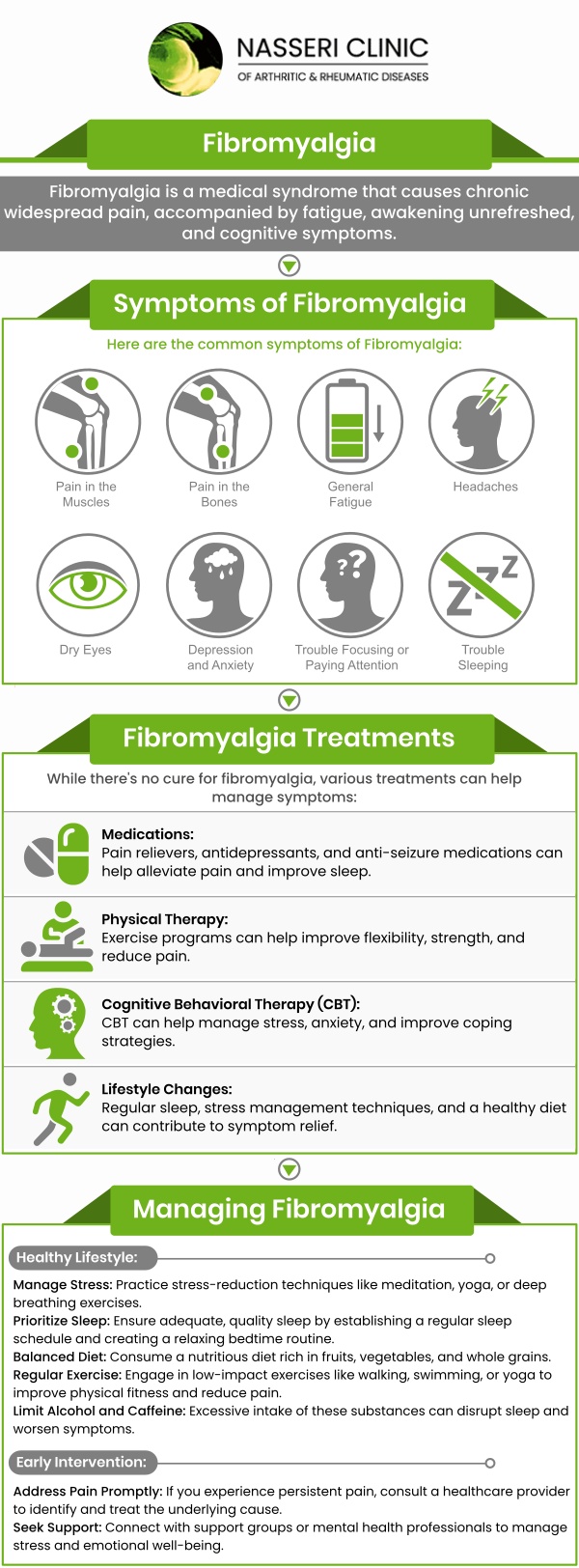
Table of Contents:
What are the most common triggers of fibromyalgia flare-ups?
How is fibromyalgia diagnosed, and what tests are involved?
Can fibromyalgia symptoms worsen over time, and how can they be prevented from escalating?
What strategies does Dr. Nasser Nasseri, MD, recommend to minimize fibromyalgia flare-ups based on your specific symptoms?
Fibromyalgia flare-ups can be triggered by a variety of factors, often interacting in complex ways. The most common triggers include:
• Physical or Emotional Stress: Stressful life events, changes in daily routine, or ongoing anxiety and depression can contribute to flare-ups. We emphasize the importance of stress management and offer support for mental health as part of comprehensive care.
• Sleep Disturbances: Poor sleep quality or disrupted sleep patterns are frequently linked to symptom worsening. Our team can provide guidance on sleep hygiene and, if needed, refer patients to specialists for sleep disorders.
• Weather Changes: Many individuals notice increased symptoms during cold, damp, or humid weather. While we can’t control the weather, our providers can work with you to develop coping strategies tailored to your unique symptoms.
• Physical Activity Levels: Both overexertion and inactivity can trigger flares. Our clinic’s rheumatologists and physical therapists can help you develop an individualized activity plan that balances movement and rest.
• Infections: Illnesses like the common cold or flu can stress the immune system and lead to flare-ups. We advise our patients to stay up to date on vaccinations and to seek prompt care for infections.
• Hormonal Changes: Changes related to menstruation, pregnancy, or menopause can influence symptom severity. Our team is experienced in helping patients navigate these changes.
• Dietary Factors: Certain foods, food additives, or dehydration may play a role in symptom management. Our nutrition counseling services can help you identify and address dietary triggers.
• Medication Changes: Missing doses or altering prescribed treatments can intensify symptoms. Our clinic prioritizes medication management and patient education to ensure optimal treatment adherence.
At Nasseri Clinic of Arthritic & Rheumatic Diseases, our experienced team specializes in the evaluation and management of complex conditions like fibromyalgia. Because fibromyalgia does not have a single definitive laboratory or imaging test, our clinicians rely on a comprehensive, patient-centered approach to diagnosis.
Our process begins with a detailed medical history and a thorough discussion of your symptoms, such as widespread pain, fatigue, sleep problems, and cognitive difficulties (“fibro fog”). We pay close attention to the duration, location, and severity of your symptoms—ensuring that pain has been persistent for at least three months and affects both sides of the body, above and below the waist.
During your visit, our rheumatology specialists will perform a careful physical examination. While traditional “tender point” testing is used less often today, we are well-versed in the latest diagnostic criteria recommended by the American College of Rheumatology, including assessment of the widespread pain index (WPI) and symptom severity (SS) scale.
Because many rheumatic diseases can mimic the symptoms of fibromyalgia, our clinic utilizes targeted laboratory tests to rule out other potential causes such as rheumatoid arthritis, lupus, or thyroid disorders. Tests may include complete blood count (CBC), erythrocyte sedimentation rate (ESR), thyroid function, and vitamin D levels. These help us exclude other underlying conditions but do not directly diagnose fibromyalgia.
If clinically indicated, we may also use imaging studies like X-rays or MRI scans to look for evidence of other musculoskeletal or autoimmune diseases. However, it is important to note that imaging is not used to diagnose fibromyalgia itself.
Some patients may experience stable symptoms for years, while others notice periods of intensified discomfort or flare-ups. Triggers such as physical or emotional stress, changes in weather, poor sleep, or overexertion are commonly reported.
Although fibromyalgia is not considered a progressive disease—meaning it does not cause ongoing damage to muscles, joints, or organs—its symptoms can feel more severe or disabling if not properly managed. Without effective intervention, chronic pain and fatigue may lead to reduced physical activity, which can further worsen symptoms and impact overall quality of life.
At Nasseri Clinic, our comprehensive approach to preventing symptom escalation includes:
• Personalized Treatment Plans: Our rheumatology specialists work closely with each patient to develop individualized management strategies, which may include medications to relieve pain, improve sleep, and address other symptoms.
• Physical Activity Guidance: We recommend and support regular low-impact aerobics, stretching, and strength training, tailored to your abilities, to help reduce pain and improve function.
• Sleep and Stress Management: Our team offers resources and recommendations for maintaining good sleep hygiene and teaches stress management techniques such as mindfulness, relaxation strategies, or cognitive-behavioral therapy to help minimize flare-ups.
• Ongoing Patient Education: We believe that empowering patients with knowledge about fibromyalgia can help them recognize personal triggers and make informed decisions about lifestyle adjustments. We also connect patients with local and online support groups for additional encouragement and information.
By partnering with the experienced providers at Nasseri Clinic of Arthritic & Rheumatic Diseases, individuals with fibromyalgia can access the latest evidence-based treatments and support. While symptoms may fluctuate, our proactive, personalized care can help prevent escalation of symptoms and support an improved quality of life.
At Nasseri Clinic of Arthritic & Rheumatic Diseases, Dr. Nasser Nasseri, MD, and his dedicated team emphasize a personalized approach to managing fibromyalgia flare-ups, tailored to each patient’s unique symptoms and lifestyle. Our clinic encourages patients to keep a detailed symptom diary, which can help uncover potential flare-up triggers such as stress, specific foods, weather changes, or sleep disturbances. This proactive tracking empowers patients to work with our providers in identifying patterns and developing strategies to avoid or minimize exposure to known triggers.
Restorative sleep is a cornerstone of our fibromyalgia management plans. Dr. Nasseri recommends establishing a consistent sleep routine, including creating a calming bedtime environment, avoiding caffeine and electronic devices before bed, and practicing relaxation techniques such as deep breathing or meditation—tools that our clinic can help patients implement as part of their care.
Physical activity is another essential aspect of care at Nasseri Clinic. We offer guidance on gentle exercises like walking, swimming, or yoga, tailored to each patient’s tolerance level. Our team also provides practical advice on pacing daily activities, taking breaks, and listening to the body’s signals to help prevent fatigue and pain from worsening.
Stress management is central to the care we provide. Dr. Nasseri and our team may recommend mindfulness practices, cognitive behavioral therapy, or regular counseling—resources that can be accessed through or in coordination with our clinic—to help patients cope with the emotional impact of fibromyalgia and reduce flare-up frequency.
Most importantly, the Nasseri Clinic of Arthritic & Rheumatic Diseases encourages open communication and regular follow-up appointments. Dr. Nasseri works closely with each patient to review medications and treatment plans, ensuring therapies remain effective and are adjusted as symptoms change.
By combining these individualized strategies and the comprehensive resources available at Nasseri Clinic, Dr. Nasseri empowers individuals with fibromyalgia to achieve better symptom control and minimize the frequency and severity of flare-ups, supporting their quality of life every step of the way. For more information, contact us or visit us online to book an appointment! We are located at 9114 Philadelphia Rd, Ste 208, Rosedale MD 21237. We serve patients from Rosedale MD, Parkville MD, Middle River MD, Rossville MD, Overlea MD, and surrounding areas.
Check Out Our 5 Star Reviews


Additional Services You May Need

Additional Services You May Need
▸ Arthritis Care
▸ Infusion Therapy
▸ Lab Services
▸ Radiology
▸ NCARD NRACE
▸ BioFlex Laser Therapy
▸ Ultrasound Guided Injection
▸ Myer’s Cocktail Infusion
▸ Rheumatology
▸ Myositis
▸ Osteoporosis
▸ Saphnelo Infusion
▸ Injection Treatments
▸ Intravenous Immunoglobulin Therapy
▸ Fibromyalgia
▸ Infusion Therapy for Gout
▸ Inflammatory Eye Disease
▸ Inflammatory Skin Disease
▸ Vasculitis
▸ Lupus
▸ Toradol Injections
▸ Platelet-Rich Plasma (PRP)


 Send Text
 How May I Help You?