

Why Is Your Chronic Pain Not Going Away? Fibromyalgia Specialists in North Baltimore, MD
Chronic pain from fibromyalgia often persists because it is linked to how the nervous system processes pain rather than ongoing tissue damage or inflammation. The brain and spinal cord can amplify pain signals, making discomfort continue even without a clear physical cause. Identifying this pain pattern and addressing contributing factors such as sleep disruption, stress, and nervous system sensitivity can be key to improving long-term symptom management. Visit Dr. Nasser Nasseri, MD at Nasseri Clinic of Arthritic and Rheumatic Diseases. For more information, contact us or book an appointment online. We are conveniently located at 3333 N. Calvert St, Suite 540B, Baltimore, MD 21218.
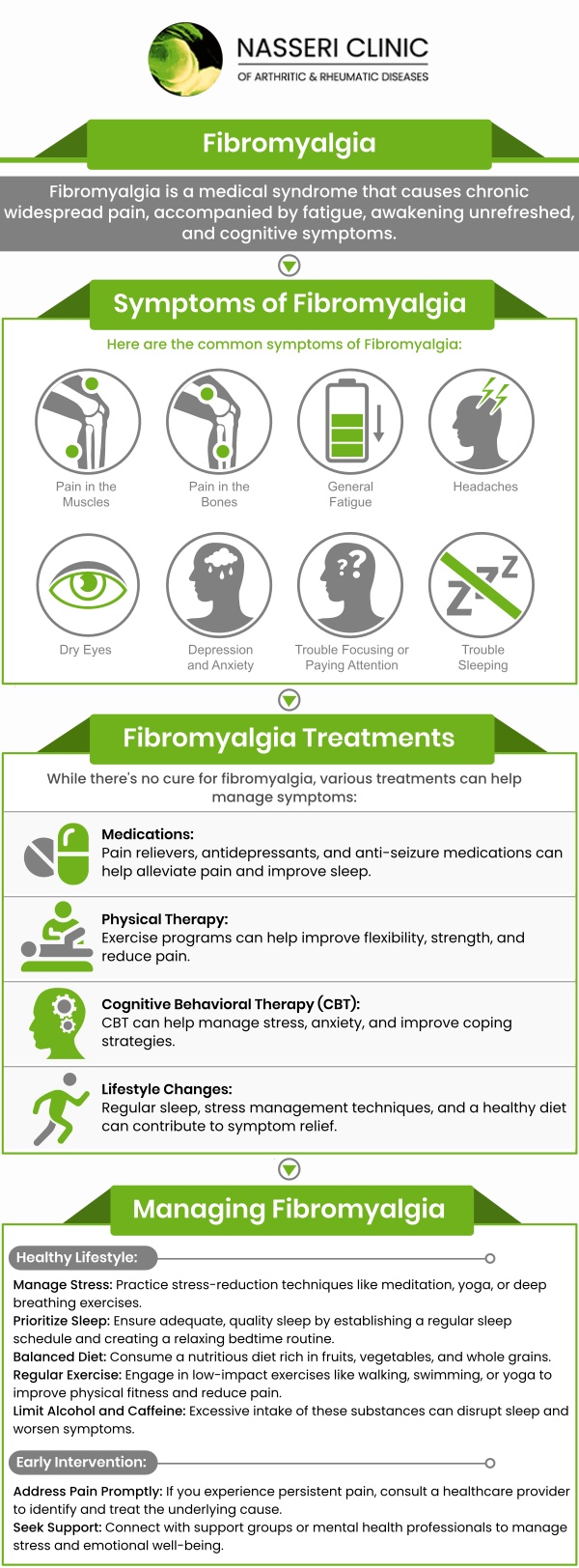
Table of Contents:
What are the main reasons why chronic pain from fibromyalgia might not improve despite treatment?
How can fibromyalgia care at the Nasseri Clinic help manage long-term, persistent pain?
Why do some fibromyalgia patients experience flare-ups, and what can be done to prevent them?
How can Dr. Nasser Nasseri, MD, help address the underlying causes of chronic pain in fibromyalgia patients?
Fibromyalgia is a complex, chronic pain disorder that can be challenging to manage. Many patients seek our expertise after trying various treatments elsewhere, yet continue to experience significant pain. There are several reasons why fibromyalgia pain may persist, and understanding these can help guide more effective, individualized care.
First, fibromyalgia is multifactorial—meaning it involves not only physical symptoms but also neurological and psychological components. These factors interact in ways that can make pain persistent and difficult to manage without a comprehensive approach. At our clinic, we recognize the importance of addressing all aspects of the condition to optimize outcomes.
Fibromyalgia is frequently accompanied by other health problems, such as depression, anxiety, sleep disturbances, and additional chronic pain conditions. If these coexisting issues are not adequately managed, they can contribute to ongoing pain and reduce the effectiveness of fibromyalgia treatments.
Treatment responses can also vary greatly from person to person. Medications, physical therapies, and other interventions may not be equally effective for everyone, and some patients may experience side effects that limit their use. Our practice tailors treatment strategies to each individual, adjusting therapies as needed to maximize benefit and minimize discomfort.
Lifestyle factors, such as lack of physical activity, poor sleep hygiene, chronic stress, and unhealthy dietary habits, can also play a significant role in persistent symptoms. At Nasseri Clinic, we emphasize patient education and support lifestyle modifications as a key part of our management strategy.
Finally, it is important to recognize that fibromyalgia is a chronic condition. While complete pain relief may not always be possible, our focus is on improving quality of life and daily function. We work closely with our patients to set realistic goals and celebrate progress in all areas, not just pain reduction.
Fibromyalgia is a chronic rheumatic condition known for causing widespread musculoskeletal pain, fatigue, sleep disturbances. At the Nasseri Clinic of Arthritic & Rheumatic Diseases, we understand the complexity of fibromyalgia and recognize that each patient’s experience is unique.
Our clinic specializes in the diagnosis and management of arthritic and rheumatic diseases, including fibromyalgia. When you come to the Nasseri Clinic, your care begins with a comprehensive assessment by our team of rheumatology experts. We take the time to understand the full scope of your symptoms, identify possible triggers, and evaluate your overall health and lifestyle. This in-depth evaluation helps us tailor a personalized treatment plan that addresses both physical and emotional aspects of fibromyalgia.
Treatment at the Nasseri Clinic may include:
• Medication Management: Using evidence-based therapies to help manage pain, improve sleep, and address associated symptoms.
• Physical and Occupational Therapy: Coordinated with trusted specialists to improve mobility, strength, and daily function.
• Integrative Approaches: Referrals for therapies such as acupuncture or massage, as appropriate, to complement conventional treatments.
• Patient Education: We empower you with knowledge about fibromyalgia, self-management techniques, and coping strategies, so you can take an active role in your care.
• Lifestyle Guidance: Our team will work with you on achievable changes—such as gentle exercise routines, sleep hygiene improvements, and stress management practices—that have been shown to relieve fibromyalgia symptoms.
Consistent follow-up and ongoing support are central to our care philosophy. We closely monitor your progress, adjusting treatment as needed, and providing encouragement every step of the way.
Fibromyalgia is a chronic rheumatic condition characterized by widespread musculoskeletal pain, fatigue, and tenderness in specific areas. We recognize that many patients with fibromyalgia experience episodes of intensified symptoms, commonly referred to as “flare-ups.” These episodes can last from several days to weeks and can significantly disrupt daily activities and overall quality of life.
Our experience team shows that there are several factors that may contribute to fibromyalgia flare-ups. Physical or emotional stress is a frequent trigger, as it can increase muscle tension, disrupt sleep, and heighten pain sensitivity. Environmental changes—such as cold or damp weather—can also provoke symptom flares. Other factors, including poor sleep, overexertion, infections, hormonal changes, and dietary choices, may play a role. Even minor illnesses, such as the common cold, can exacerbate pain and fatigue in those living with fibromyalgia.
At Nasseri Clinic, our approach to preventing and managing fibromyalgia flare-ups is comprehensive and personalized:
• Lifestyle Modifications: We work with you to develop routines that promote consistent, restorative sleep and minimize fatigue. Our team offers guidance on sleep hygiene and stress management techniques, such as mindfulness and relaxation strategies.
• Activity Pacing: Learning to pace physical and emotional activities is crucial. Our rheumatologists and allied health professionals can help you create an activity plan that reduces the risk of overexertion.
• Exercise Guidance: Gentle, regular exercise tailored to your abilities can help reduce symptom severity. We provide recommendations and referrals to physical therapists experienced in working with fibromyalgia patients.
• Symptom Tracking: We encourage keeping a symptom diary to help identify personal triggers—such as specific foods, activities, or environmental factors—so that these can be managed proactively.
• Collaborative Care: Ongoing communication with your Nasseri Clinic healthcare team ensures that your treatment plan is always up-to-date. We assess the need for medication adjustments and offer supportive therapies as needed.
At Nasseri Clinic of Arthritic & Rheumatic Diseases, Dr. Nasser Nasseri, MD, specializes in the comprehensive management of chronic pain associated with fibromyalgia. Recognizing that fibromyalgia is a complex and multifactorial condition, Dr. Nasseri and his expert team focus on uncovering and addressing the unique underlying causes of each patient’s symptoms.
The process begins with a thorough evaluation, including an in-depth review of the patient’s medical history, assessment of lifestyle factors, and careful analysis of symptom patterns. This holistic approach helps to identify potential triggers and contributors—such as nervous system dysregulation, sleep disturbances, psychological stress, and coexisting rheumatic or autoimmune diseases—that may be exacerbating the patient’s pain.
Utilizing advanced diagnostic tools available at our clinic, Dr. Nasseri ensures accurate diagnosis and rules out other conditions that may mimic or worsen fibromyalgia symptoms. Based on these findings, he develops a personalized and evidence-based care plan designed to address each patient’s specific needs.
Recognizing the strong connection between mental health and chronic pain, Dr. Nasseri also prioritizes emotional well-being, integrating stress reduction techniques and psychological support as part of the treatment process.
Patient education is a cornerstone of care at the clinic. Dr. Nasseri empowers patients with information about fibromyalgia, encourages lifestyle modifications such as graded exercise, and may incorporate cognitive-behavioral strategies to help patients manage pain and improve daily functioning.
By focusing on both symptom relief and the root contributors to chronic pain, Nasseri Clinic of Arthritic & Rheumatic Diseases is dedicated to enhancing the quality of life for those living with fibromyalgia. Dr. Nasseri’s individualized, multidisciplinary approach reflects the clinic’s ongoing commitment to excellence in rheumatologic care and patient-centered medicine. For more information, contact us or book an appointment online. We are conveniently located at 3333 N. Calvert St, Suite 540B, Baltimore, MD 21218. We serve patients from North Baltimore MD, Dundalk MD, Halethrope MD, Ferndale MD, Yorktown MD, and surrounding areas.
Check Out Our 5 Star Reviews


Additional Services You May Need

Additional Services You May Need
▸ Arthritis Care
▸ Infusion Therapy
▸ Lab Services
▸ Radiology
▸ NCARD NRACE
▸ BioFlex Laser Therapy
▸ Ultrasound Guided Injection
▸ Myer’s Cocktail Infusion
▸ Rheumatology
▸ Myositis
▸ Osteoporosis
▸ Saphnelo Infusion
▸ Injection Treatments
▸ Intravenous Immunoglobulin Therapy
▸ Fibromyalgia
▸ Infusion Therapy for Gout
▸ Inflammatory Eye Disease
▸ Inflammatory Skin Disease
▸ Vasculitis
▸ Lupus
▸ Toradol Injections
▸ Platelet-Rich Plasma (PRP)


 Send Text
 How May I Help You?