

How to Prevent Joint Damage: OA and RA Management in North Baltimore, MD
Preventing joint damage in osteoarthritis (OA) and rheumatoid arthritis (RA) focuses on early diagnosis, consistent management, and protecting joint function over time. This includes monitoring symptoms, maintaining joint-friendly movement, and addressing inflammation and wear before progression occurs. Our Professional guidance helps tailor long-term strategies that support mobility, reduce discomfort, and preserve joint health. For more information, contact us or book an appointment online. We are conveniently located at 3333 N. Calvert St, Suite 540B, Baltimore, MD 21218.
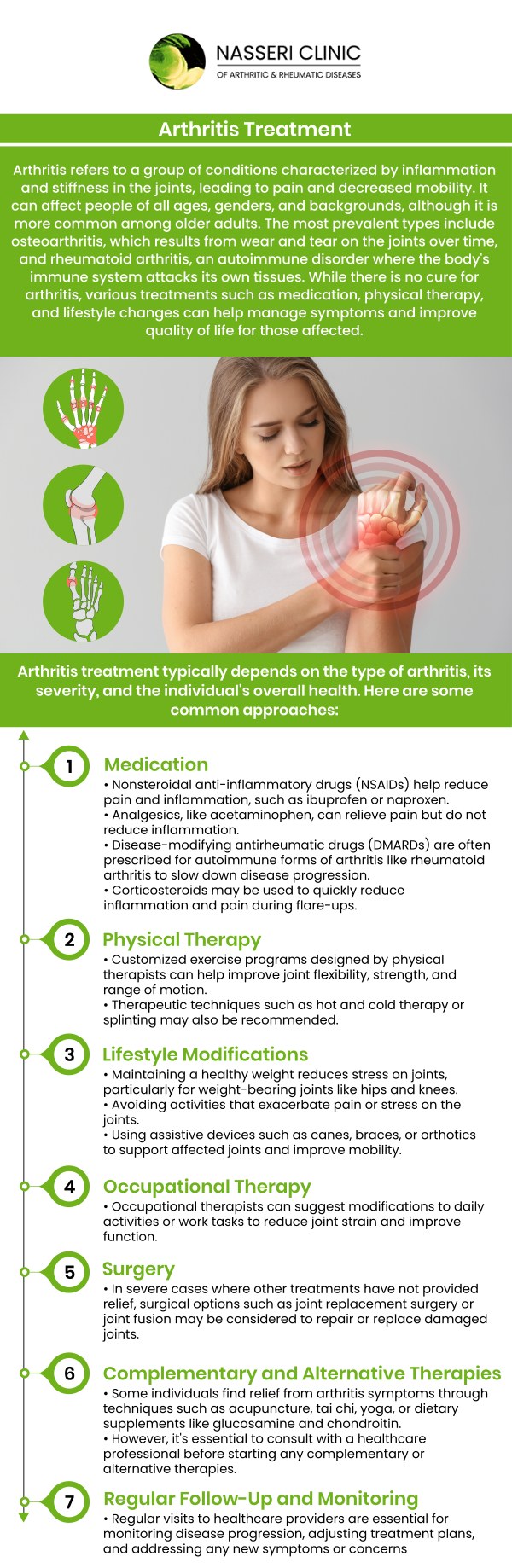
Table of Contents:
How does early diagnosis of osteoarthritis and rheumatoid arthritis help in preventing further joint damage?
How can joint injections assist in managing severe osteoarthritis and rheumatoid arthritis cases?
How often can patients receive joint injections for effective management of OA and RA symptoms?
How does Dr. Nasser Nasseri, MD, assess each patient’s risk for joint damage and create a personalized prevention plan?
Detecting osteoarthritis and rheumatoid arthritis in their initial stages is crucial for preventing further joint damage and preserving our patients’ quality of life.
When osteoarthritis is identified early at our clinic, our team can initiate a comprehensive care plan, which may include personalized lifestyle modifications, weight management support, physical therapy, and joint-friendly exercise programs. These interventions are designed to slow cartilage loss, reduce stress on affected joints, and minimize pain—helping patients maintain their mobility and independence.
Early diagnosis is especially vital in rheumatoid arthritis, an autoimmune disease that can lead to rapid and irreversible joint damage if not treated promptly. At the Nasseri Clinic, we specialize in starting disease-modifying antirheumatic drugs (DMARDs) and other targeted therapies as soon as possible. Early intervention helps reduce inflammation, prevent joint deformities, and preserve joint function—giving our patients the best chance for long-term joint health.
Additionally, our clinic’s proactive approach allows for continuous monitoring and timely adjustments to each patient’s treatment plan. We provide education on joint protection, pain management, and the importance of adhering to prescribed therapies. Our dedicated team supports patients every step of the way to ensure optimal symptom management and prevention of complications.
Joint injections are an important treatment option for patients struggling with severe osteoarthritis or rheumatoid arthritis, particularly when oral medications or other conservative therapies have not provided sufficient relief. For individuals with osteoarthritis, our specialists often use corticosteroid injections to help decrease inflammation within the joint. This targeted approach can quickly alleviate pain, swelling, and stiffness, enhancing joint mobility and making everyday activities easier for our patients.
In cases of rheumatoid arthritis, where the immune system causes inflammation and damage to the joint lining, corticosteroid injections are used to control acute flare-ups by suppressing immune-mediated inflammation directly in the affected joints. Our clinic also offers hyaluronic acid injections for certain osteoarthritis patients. This treatment supplements the natural lubricating properties of joint fluid, promoting smoother joint movement and further pain relief.
While joint injections are not a cure for osteoarthritis or rheumatoid arthritis, they provide significant, though temporary, relief that can be a valuable part of a comprehensive care plan. These injections may help patients better participate in physical therapy, delay the need for joint replacement surgery, and maintain or improve their quality of life.
Joint injections for osteoarthritis (OA) and rheumatoid arthritis (RA) are personalized to each patient’s medical history, symptoms, and treatment goals. Joint injections—most commonly corticosteroids—are an effective way to reduce inflammation and manage joint pain for many of our patients.
In general, we recommend that corticosteroid injections not be administered more frequently than every three to four months in the same joint. This guideline helps minimize the risk of potential side effects such as joint damage or infection. Most patients should not receive more than three to four corticosteroid injections per year in a single joint. Our rheumatologists will carefully assess your response to previous injections and your overall health before planning additional treatments.
For other injection therapies, such as hyaluronic acid (viscosupplementation), treatment protocols differ. These injections are typically given as a series over several weeks, and may be repeated after six months or longer if needed, depending on your symptoms and response to therapy.
At Nasseri Clinic, we emphasize individualized care. The timing and frequency of joint injections are always determined in consultation with our board-certified rheumatologists, taking into account the degree of joint inflammation, your treatment history, and any other health considerations.
At Nasseri Clinic of Arthritic and Rheumatic Diseases, Dr. Nasser Nasseri, MD, leads a comprehensive and patient-centered approach to diagnosing and managing conditions that can lead to joint damage, such as arthritis, autoimmune disorders, and other rheumatic diseases. Every patient receives a thorough assessment to determine their personal risk factors for joint deterioration and to inform a targeted treatment strategy.
Dr. Nasseri begins by taking an in-depth medical history, focusing on previous joint injuries, family history of arthritis or autoimmune diseases, current symptoms, and lifestyle factors such as physical activity and occupational risks. This allows him to identify underlying causes and contributing factors unique to each patient.
The physical examination at Nasseri Clinic is meticulous, with Dr. Nasseri evaluating joint tenderness, swelling, range of motion, and any signs of inflammation or deformity. This hands-on approach helps pinpoint the severity and extent of disease involvement.
To further clarify the diagnosis and assess joint health, Dr. Nasseri utilizes advanced diagnostic tools. Blood tests are performed to detect markers of inflammation, autoimmune activity, or metabolic disturbances that influence joint health. Imaging studies—including X-rays, ultrasound, and MRI—are used to visualize joint structures and assess for cartilage loss, bone erosion, or other abnormalities that may not be apparent during a physical exam.
Combining these findings, Dr. Nasseri stratifies each patient’s risk for future joint damage by considering age, weight, genetics, co-existing medical conditions, and lifestyle habits. With this individualized profile, he works closely with patients to develop a personalized prevention and management plan. This may include recommendations for weight management, joint-friendly exercises, dietary modifications, ergonomic adjustments, and strategies to minimize joint strain. When appropriate, Dr. Nasseri prescribes medications or supplements to control inflammation and slow disease progression.
Regular follow-up visits are scheduled at Nasseri Clinic to monitor joint health, review progress, and adjust the treatment plan as needed. The goal is always to optimize long-term outcomes, preserve joint function, and enhance each patient’s quality of life. For more information, contact us or book an appointment online. We are conveniently located at 3333 N. Calvert St, Suite 540B, Baltimore, MD 21218. We serve patients from North Baltimore MD, Dundalk MD, Halethrope MD, Ferndale MD, Yorktown MD, and surrounding areas.
Check Out Our 5 Star Reviews


Additional Services You May Need

Additional Services You May Need
▸ Arthritis Care
▸ Infusion Therapy
▸ Lab Services
▸ Radiology
▸ NCARD NRACE
▸ BioFlex Laser Therapy
▸ Ultrasound Guided Injection
▸ Myer’s Cocktail Infusion
▸ Rheumatology
▸ Myositis
▸ Osteoporosis
▸ Saphnelo Infusion
▸ Injection Treatments
▸ Intravenous Immunoglobulin Therapy
▸ Fibromyalgia
▸ Infusion Therapy for Gout
▸ Inflammatory Eye Disease
▸ Inflammatory Skin Disease
▸ Vasculitis
▸ Lupus
▸ Toradol Injections
▸ Platelet-Rich Plasma (PRP)


 Send Text
 How May I Help You?